Rummy Card Values For Better Tactical Play
2 August 2026 | 295
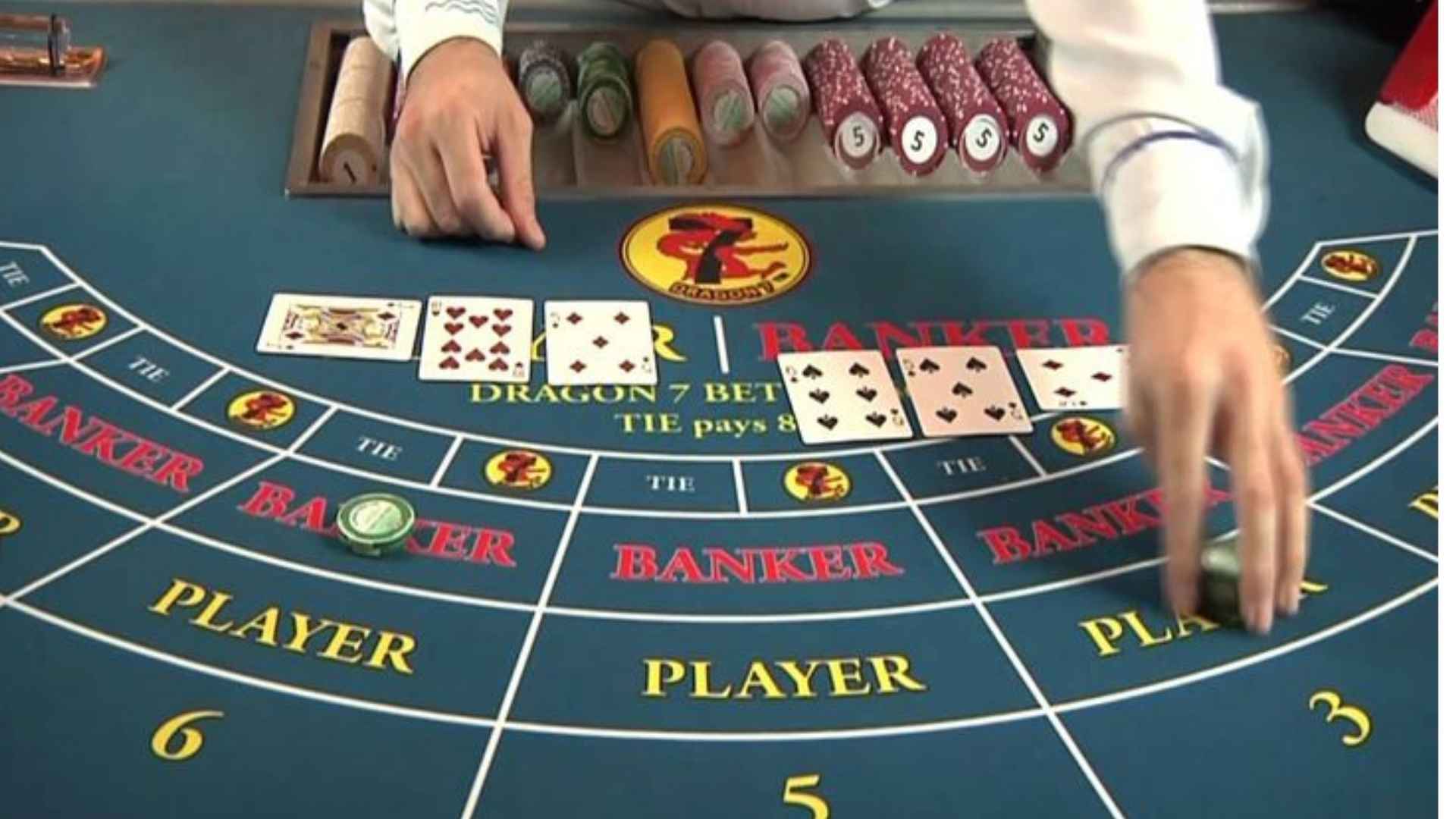
Mastering a standard game of rummy demands far more than simply creating arbitrary sets and sequences as quickly as possible. To truly excel at the table, a competitor must treat each card in their hand as a shifting mathematical liability or asset. By adjusting your tactical approach based on the exact point distributions, you can easily minimize your losses and control the pace of the match.
Analyzing the Point Burden of Numbered Cards
Numbered cards from two to ten generally provide the structural framework for most successful hands. These specific items carry a point penalty that corresponds directly with their explicit numerical values. This straightforward scoring mechanism allows players to calculate their real-time financial or competitive risk within seconds.
Holding excessive mid-to-high numbered cards like sevens and eights can quickly become a serious defensive hazard. If an opponent suddenly declares their hand, these unmelded numbers accumulate into a costly final score. Seasoned participants constantly evaluate these middle tiers to determine whether to hold or discard them during critical transition phases.
The High Risk of Unmelded Face Cards
Face cards, which include Jacks, Queens, and Kings, universally represent the most dangerous elements to keep in an unarranged hand. Each of these royal options is assigned a fixed heavy penalty of ten points upon the round concluding. Failing to meld them into valid groups rapidly leads to severe scoreboard damage.
Experienced players often prioritize discarding these high-value liabilities early in the game if no matching sets materialize. Dropping a ten-point card safely prevents an unexpected blowout when playing against highly aggressive opponents. Navigating the perfect moment to release these heavy weights remains a core metric for professional victory.
The Shifting Scoring Mechanics of Aces
The ace stands out as the most dynamic asset in the entire deck due to its ability to adapt to varying house regulations. Depending on the specific variation being played, an ace can serve as the lowest or highest link in a run. This structural flexibility makes it highly coveted for building efficient combinations.
In standard configurations, an ace counts as just a single point when utilized at the bottom of a low sequence. However, certain competitive frameworks penalize an unmelded ace with a massive fifteen points instead. Platforms like M88 toto offer insightful details regarding these rule shifts, helping players adapt their defensive postures accordingly.
Transforming Value Tracking into Winning Strategies
Ultimately, executing better tactical play relies on transforming numerical awareness into precise defensive actions. You should constantly monitor the open discard pile to deduce which mathematical groups are safe to let go. This predictive habit minimizes your vulnerabilities while starving your opponents of the specific ranks they desperately need.
Maintaining a balanced distribution between low-risk numbers and fast-forming sequences ensures steady improvement over multiple rounds. With disciplined practice, calculating card weights transforms from a conscious chore into an automatic subconscious skill. Embracing these foundational metrics is the definitive path toward consistent competitive dominance.